

When people walk into a building, they rarely think about what the walls, floors, or fixtures are made from. Yet these choices shape their experience in ways that go far beyond appearance. Materials influence comfort, cleanliness, sound, and even how safe or hygienic a space feels. The surfaces we touch every day tell a quiet story about design, care, and purpose. In commercial and public environments, where hundreds or thousands of people share the same spaces, these decisions make a lasting difference to health, efficiency, and perception.
Understanding How Materials Affect Experience
The materials that surround us are the foundation of every space. They define how light moves, how sound travels, and how temperature feels. Smooth stone can project calm and permanence, while warm wood creates comfort and approachability. Soft furnishings absorb sound, while reflective surfaces can make a space brighter but noisier. Every choice carries a message about how a space should be used and what it prioritises. Designers who understand this can create environments that support human comfort without people ever needing to think about it.
Cleanliness as a Design Outcome
Cleanliness is not only achieved through maintenance but through design itself. Materials that resist dirt, moisture, and wear reduce the effort required to keep environments looking fresh. Surfaces that are easy to wipe down or naturally resistant to bacteria contribute directly to hygiene and health. This is especially important in high-use environments such as offices, schools, healthcare facilities, and transport hubs. When finishes are chosen with maintenance in mind, cleanliness becomes a natural outcome rather than a constant challenge.
Visual Cues and Perception
People form impressions of cleanliness and care through visual cues long before they touch a surface. Glossy finishes, neutral tones, and consistent colour palettes can make a space feel bright and well maintained. By contrast, materials that stain or discolour easily can make even a clean environment seem neglected. A thoughtful balance between aesthetic warmth and visual clarity helps create spaces that feel both comfortable and hygienic. The visual language of materials is powerful, and it influences how people trust and value the environments they enter.
Sound, Temperature, and Comfort
Comfort is not just physical. It also depends on how we perceive our surroundings through sound and temperature. Hard surfaces reflect noise, while softer materials absorb it. A space with the right balance feels calm and focused rather than harsh or echoing. Similarly, materials that hold or reflect heat can affect how comfortable a space feels. Stone floors may stay cool underfoot, while carpets or natural fibres offer warmth. By selecting materials that respond appropriately to their environment, designers create spaces that remain pleasant across changing conditions.
Read More: What Happens When You Stop Searching – and Start
The Role of Durability
In commercial environments, durability is essential. Surfaces must withstand constant use, cleaning, and movement without losing their appearance. Well-chosen materials reduce long-term costs and maintain quality over time. This resilience also supports sustainability. A surface that lasts for decades uses fewer resources than one that needs frequent replacement. The hidden role of materials, then, is not only in shaping comfort but also in ensuring that comfort endures. Durability, ease of care, and timeless design all contribute to spaces that stay functional and attractive year after year.
Hygiene Built into Everyday Fixtures
In many facilities, hygiene depends as much on the choice of fixtures as on the materials around them. Touch-free fittings, antimicrobial surfaces, and automatic systems all contribute to cleaner, safer environments. For example, modern hand dryers in washrooms improve hygiene and reduce waste by minimising physical contact and paper use. These products integrate into the broader design approach, where every element works quietly to support cleanliness. Technology and materials work best when they complement each other, making hygiene a seamless part of daily life rather than an afterthought.
Sustainability and the Life Cycle of Materials
The materials used in buildings have long-term environmental implications. Selecting finishes that are responsibly sourced, recyclable, or low in emissions contributes to healthier interiors and a more sustainable planet. Natural light, ventilation, and efficient insulation also depend on material performance. A wall finish that reflects daylight, for instance, reduces the need for artificial lighting. A floor covering that lasts decades saves energy and waste in production. Sustainability and cleanliness often align, since materials that last longer and require less maintenance tend to have a smaller environmental footprint.
Designing for Maintenance Efficiency
Facilities teams are among the most important users of any building, even if they are not the most visible. A well-designed environment makes their work easier. Surfaces that resist scuffing, walls that withstand frequent cleaning, and layouts that allow easy access to fixtures all reduce maintenance time. Design should not just look after end users but also those who keep the building running. By thinking about how materials will be cleaned, replaced, or repaired, designers extend the life of every element in the space.
Emotional Responses to Material Quality
People notice quality subconsciously. The feel of a handrail, the sound of footsteps, and the weight of a door handle all create impressions. These tactile experiences influence how people value a space and the organisation behind it. When materials feel solid and well made, they communicate trust and reliability. This emotional connection matters in business environments where brand perception and professionalism are closely tied to physical experience. The right materials create reassurance without words.
Read More: Your Winter Home Staging Checklist: A Seller Smart
Balancing Warmth and Precision
Finding the right combination of materials is a balancing act. Too much softness can feel informal, while too much gloss can feel sterile. Successful spaces use contrast to create interest and comfort together. A blend of smooth and textured surfaces, natural and engineered finishes, and warm and cool tones can achieve harmony. This balance is what turns a functional environment into a human one. Materials that appeal to the senses while supporting performance make design both practical and poetic.
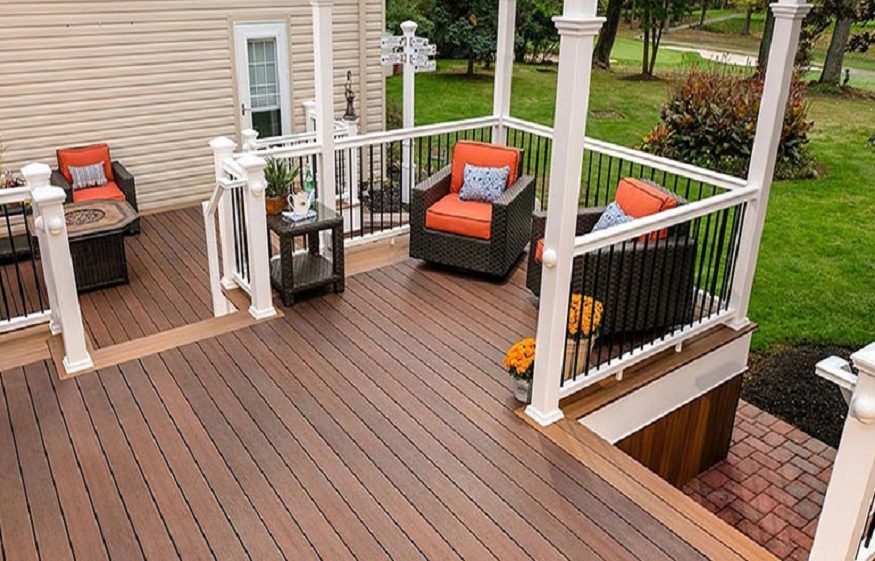
For wider commercial, hospitality, or public-facing projects, small supporting details can make the finished space feel more complete. Composite decking can provide a durable, low-maintenance surface for terraces, entrances, outdoor seating areas, and customer-facing spaces; while traditional signage can add character, direction, and brand presence; while digital signage can share changing information, promotions, menus, or wayfinding updates clearly.
Conclusion
The materials that shape our surroundings do far more than define appearance. They influence how people feel, how they behave, and how spaces function over time. In commercial and public environments, where efficiency and hygiene are essential, these decisions matter deeply. Every wall, floor, and fixture is an opportunity to improve comfort, cleanliness, and trust. When designers treat materials not just as finishes but as active components of experience, they create spaces that work beautifully and last well. The result is design that feels effortless, where comfort and hygiene exist side by side, quietly supporting the rhythm of daily life.