

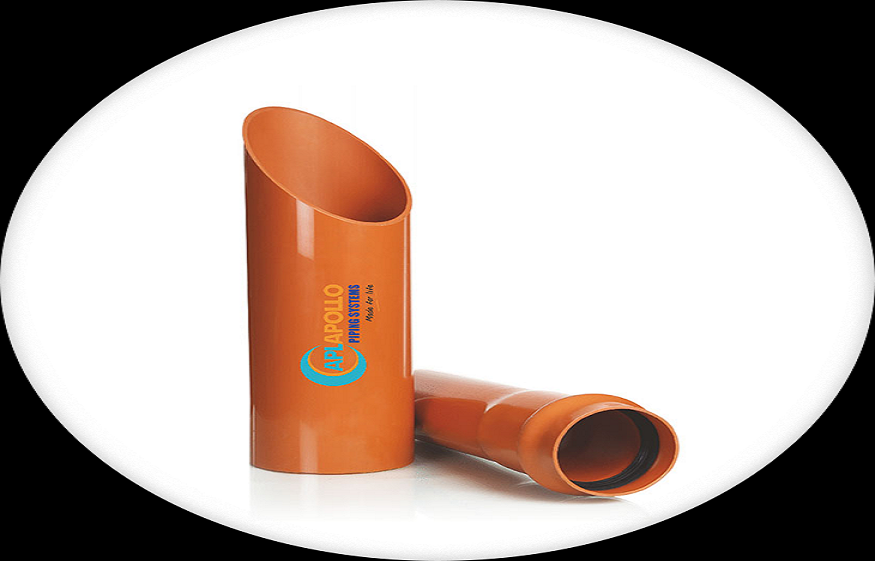
Underground drainage pipes play a crucial role in keeping your property clean and dry. These pipes collect wastewater from kitchens, bathrooms and rooftops and direct it toward a sewer line.Installing underground drainage pipes may look like a complicated task, but with the right planning and a little patience, it can be done as a DIY project. When installed correctly, these pipes remain hidden, do not spoil the look of your surroundings and work efficiently for many years with minimal maintenance By following the given steps, you can installunderground drainage pipes yourself.
. Plan the Drainage Layout
Before starting the installation, proper planning is necessary. Identify where the water will come from and where it needs to go. Mark the route for the underground drainage pipes using chalk. You should keep the path as straight as possible to ensure smooth water flow.
Read More : Easy DIY Install For Underground Drainage Pipes
Also, the slope should be checked. Drainage pipes need a gentle downward slope so that water flows naturally by gravity. A slope of around 1 – 2 cm per meter is usually enough for effective drainage
. Choose the Right Pipes and Fittings
Choosing the right quality material is very important for underground drainage pipes. PVC-U or HDPE pipes are commonly used as these pipes are lightweight, strong, corrosion-resistant and easy to handle. It is to be ensured that you choose pipes of the correct diameter based on the amount of water these pipes will carry.
Along with pipes, you will need fittings such as bends, tees, couplers and inspection chambers. These fittings help connect pipes properly and allow easy access for cleaning in the future.
. Diggingthe Trench
Once the layout is marked, now you may start digging the trench. The trench should be wide enough to place the pipe comfortably and deep enough to protect it from surface load. For most household underground drainage pipes, a depth of 1 to 2 feet is sufficient.
It is also to be kept in mind that the bottom of the trench is even and free from stones or sharp objects that could damage the pipe. A smooth base helps keep the pipe aligned and prevents future leaks.
. Prepare A Bedding Layer
Before placing the underground drainage pipes, you should prepare a bedding layer using sand or fine gravel. Spread a 2 – 3 inch layer at the bottom of the trench and level it properly. This bedding supports the pipe evenly and helps absorb minor ground movements. A good bedding layer increases the life of underground drainage pipes and ensures better performance over time.
. Lay and Join the Pipes
Now place the underground drainage pipes gently into the trench, starting from the outlet end and moving upward. This makes it easier to maintain the slope. Join the pipes using rubber ring joints or solvent cement, depending on the pipe type. Ensure all joints are tight and properly sealed so that there would be no leakage. Use inspection chambers at turning points to allow easy cleaning and inspection later.
. Test the System
Before covering the trench, you need to test the underground drainage pipes as it is very important. Pour water through the system and check if it flows smoothly without any leakage. Check all joints and bends carefully. If you test at this stage, it will help you fix any issues easily before the pipes are buried.
. Backfill the Trench
Once the system is tested, start backfilling the trench. First of all you should cover the pipes with sand or soft soil to protect them.
Read More : Best Racks for Magnum Champagne Storage
Then fill the remaining trench with the excavated soil, compacting it gently in layers. Avoid heavy compaction directly above the pipes to prevent damage. Once done, restore the surface to its original condition.
. Maintenance Tips
Underground drainage pipes require little maintenance, but occasionally you may check it which will be helpful. Never throw solid waste, grease or plastic into the drains. If you flush periodically with water, it can prevent blockages and ensure smooth flow.
APL Apollo’s Underground Drainage Pipes
APL Apollo’s Underground Drainage Pipes are manufactured with PVC-U which are unplasticized polyvinyl chloride. These pipes are strong, flexible and durable. These pipes have excellent compressive strength and a reliable safety factor.With proper planning and knowledge even you can easily install them yourself. These pipes are widely used in underground drainage and sewerage systems. These pipes are also suitable for carrying surface water and potable water, and are commonly used for internal and external discharge piping in industrial buildings and high-rise civil structures.