

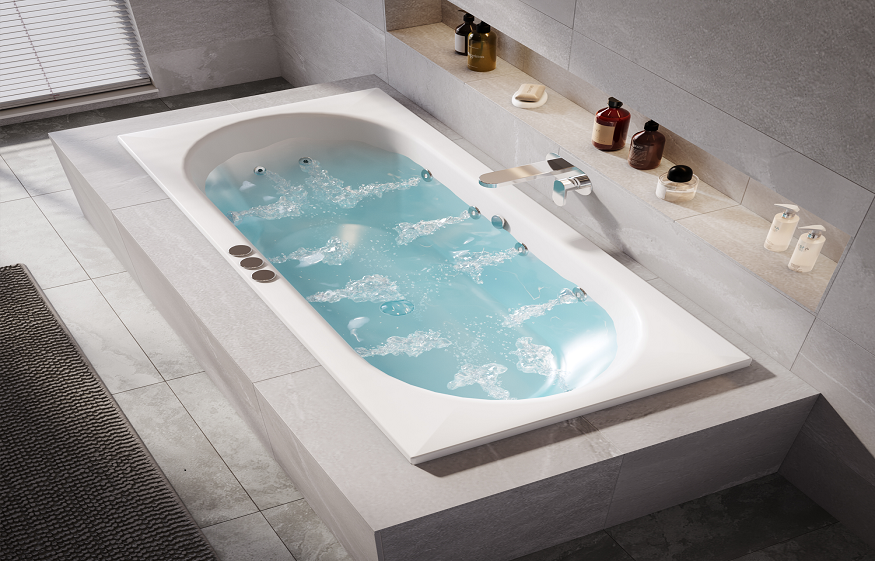
Simple rest, or just chilling on a sofa after a tough day, may not be the solution all the time. You feel tight even after stretching. Maybe your body and mind are asking for something more.
A relaxing few minutes in the bathtub sounds heavenly. They’ll help you forget about your worries and allow you to slow down. And a Jacuzzi bathtub takes the relaxation up a notch or three
A relaxing session in a Jacuzzi bathtub is the answer because it combines three things your body responds to fast: heat, the lighter feeling of floating, and gentle water pressure from jets.
Read More:
What’s so special about this bathtub? It soothes your muscles, relieving stress in the process. The point of this article is to help you make an informed decision on what benefits you can get when you’re buying your Jacuzzi bathtub.
How does a Jacuzzi Bathtub Help in Stress Relief, Recovery, and Relaxation?
We gave a teaser of the many benefits of a Jacuzzi bathtub; here they are in detail:
Fast-Relief Feeling
Warm water helps muscles soften. When you’re supported by water, your joints and spine carry less load, so stiffness can feel easier to handle. With spa bathtub jets, the sensation turns into a comfortable massage, which is why many people step out feeling calmer.
Stress Relief
Stress isn’t only mental. It’s clenched jaw, shallow breathing, and tight hips. Heat from warm water leads to better physical, mental, and emotional health.
For a stronger calming effect, keep the first two minutes silent: no phone, no planning. Breathe slowly and drop your shoulders on purpose. Over time, a routine becomes a cue your body learns.
Everyday Muscle Recovery Without Complicated Routines
Desk hours, travel, or workout can leave muscles feeling sore. Warm-water soaking is commonly linked with muscle relaxation and comfort, though benefits vary by person and situation.
If your main goal is recovery, steady use of the jets is a good way to start.
Intentional Jet Placement
In a Jacuzzi bathtub, the jets are not placed randomly; they serve a purpose. Jets are seen as a tool that massages you and helps you feel relaxed.
To get the best out of the jets, pick two zones per session and rotate:
- Lower back/hips after sitting all day.
- Calves/feet after walking or gym days.
Shift your body slightly to adjust the pressure. If you have a whirlpool bathtub, this small adjustment is what turns “too intense” into “perfect.”
Try adding a foot-soak moment at the end. Turn the jets lower, let the warmth reach your feet, and breathe slowly for 60 seconds.
Making Rest Actually Feel Like Rest
Many people use a hot tub session as a wind-down ritual. The sleep-friendly idea is “warm up, then cool down.” When you get out, your body starts releasing heat, and that drop can support sleepiness.
Warm baths or showers of one to two hours before bedtime can shorten the time it takes to fall asleep.
If bedtime is 11:00 pm, aim to be out of the water around 9:00 pm to 10:00 pm, then keep lights low and screens minimal.
Safe Soaking Basics
More heat isn’t more healing. Too hot or too long can leave you dehydrated or lightheaded.
Hot tubs can reduce stress and ease muscle aches when used safely. They have practical safety points like keeping temperatures below 40°C and limiting sessions to around 15 minutes (or less).
A simple rule: Start with 8 to 10 minutes, keep the temperature comfortably warm, and step out immediately if you feel dizzy, nauseous, or “too hot.” Drink water before and after.
Read More: Creating a Family-Friendly Bathroom Without
Cooling down matters, too. After your soak, towel off and sit for a few minutes so your body can release heat. Keep a glass of water nearby so you don’t wake up thirsty, and avoid alcohol.
Note: Check with your doctor before using very hot water. Skip sessions if you have a fever or feel unwell.
What Should the Routine Be Like?
A first-session routine that doesn’t feel overwhelming.
- Set a 12–15 minute timer.
- First 3 minutes: settle and breathe slowly.
- Next 7 minutes: place jets on your tightest area.
- Last 2 minutes: lower intensity and relax.
After you get out, sit for five minutes before jumping back into chores. That pause helps your body transition from heat to calm.
Choosing Between Still Soaking and Jet Therapy.
A deep soak is great for overall relaxation. Jets are great when you want a targeted release. Many people keep both in mind when choosing a setup: a luxury bathtub for long, quiet soaks, and a jetted option to relax the muscles.
If you’re deciding between options, pay attention to comfort first: back support, depth, and controls you can adjust mid-soak. If it’s not easy to use, it won’t become a habit.
Hygiene and Maintenance
Relaxation disappears fast if you’re worried about hygiene. Public-health guidance warns that germs can spread in hot tub water when maintenance is poor, and recommends user habits that reduce risk.
Follow your care instructions, keep surfaces clean, and treat water quality like part of the wellness routine, not an afterthought.
Subtle Signs of the Benefits
If you want to feel the benefits more clearly, notice what happens after: looser shoulders, deeper breathing, a calmer stomach, and slower thoughts. On nights you feel “too awake,” pair the session with quiet music and dim lights.
The Takeaway
Warm water relaxes, jets release tension, and a calm, cool-down supports recovery. Keep sessions short and sweet, and you’re more likely to feel the difference in your mood, your muscles, and your sleep.